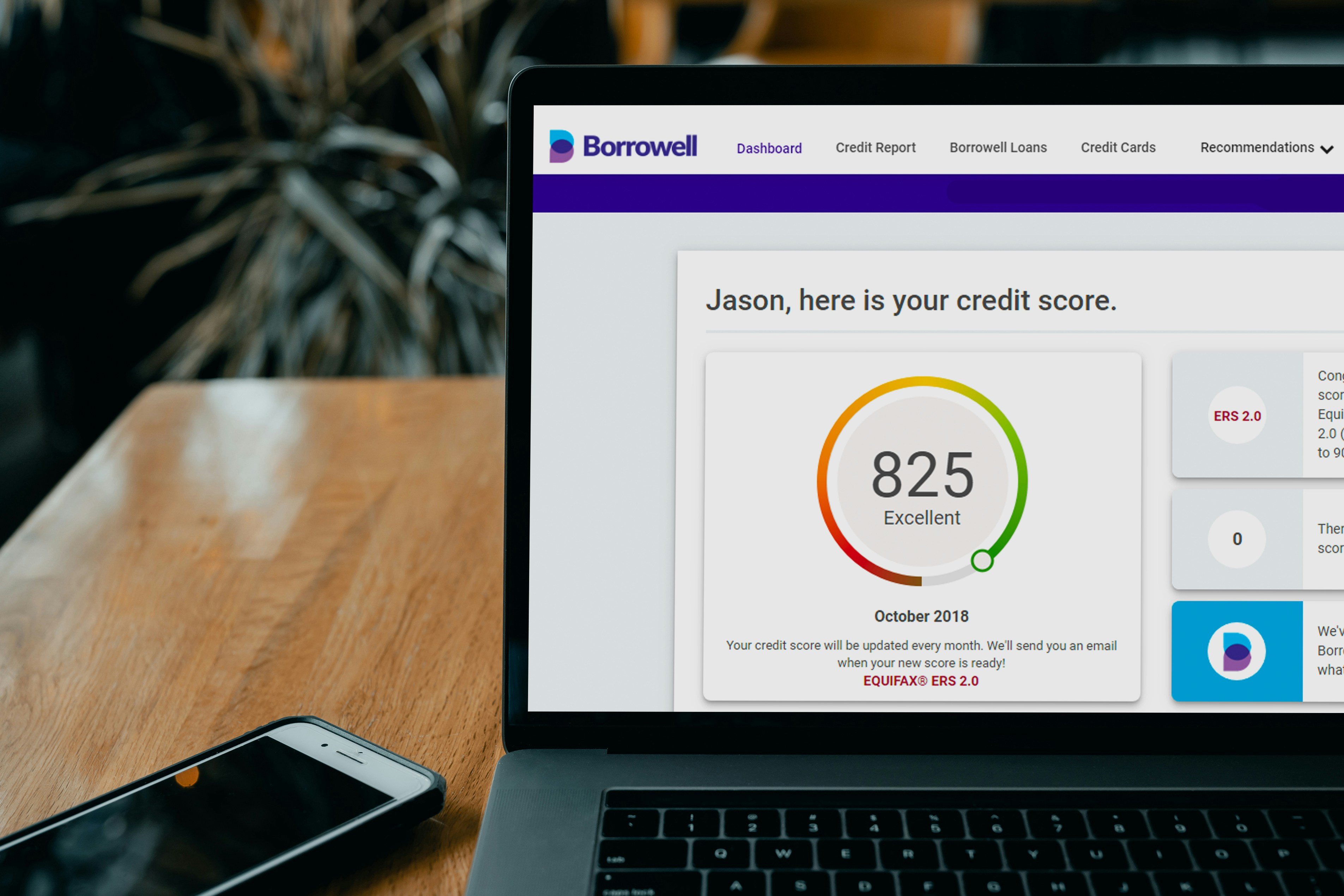
Understanding Credit Scores
A credit score is a numerical representation of an individual’s creditworthiness, reflecting their ability to repay borrowed money. Credit scores typically range from 300 to 850, with a higher score denoting a lower credit risk. Lenders use these scores to assess an applicant’s financial reliability and the likelihood of repayment, which can significantly affect the terms of loan offerings. Understanding the nuances of how credit scores are calculated and influenced is pivotal for anyone looking to boost their score fast.
Credit scores are derived from several key factors, primarily including payment history, credit utilization, length of credit history, types of credit in use, and recent credit inquiries. Payment history accounts for approximately 35% of the score, heavily weighing on whether bills have been paid on time. Meanwhile, credit utilization, which reflects the proportion of available credit being used, contributes 30% to the overall score. Keeping this ratio below 30% is generally recommended for maintaining a healthy score.
There are two prominent scoring models in use today: FICO and VantageScore. FICO scores are perhaps the most recognized, created by the Fair Isaac Corporation, while VantageScore was developed collaboratively by the three major credit bureaus: Experian, TransUnion, and Equifax. Both systems share common elements in their scoring criteria but may interpret data differently, leading to variations in the final scores. It is essential for consumers to review their scores from different bureaus to get a comprehensive understanding of their credit profile.
Having a good credit score is crucial for financial health, influencing everything from loan approvals to insurance rates. A higher credit score not only opens doors to better borrowing terms but can also result in lower interest rates and increased chances of approval for rental applications. Thus, understanding and improving one’s credit score should be a priority for anyone aiming for financial stability and success.
Check Your Credit Report
Understanding your credit report is a fundamental step towards managing and boosting your credit score. Under U.S. federal law, individuals are entitled to obtain one free credit report annually from each of the three major credit reporting agencies: Experian, TransUnion, and Equifax. This can be done through the official website AnnualCreditReport.com, which serves as a trusted portal for accessing your reports safely.
When reviewing your credit report, it is essential to look for certain key components: personal information, accounts, credit inquiries, and public records. Begin by verifying that your personal information is accurate, as errors can lead to complications in credit assessments. Next, pay close attention to the accounts section, which lists your credit cards, loans, and payment history. Look for any accounts that do not belong to you, which may indicate identity theft, or any late payments that could negatively influence your score.
Discrepancies or inaccuracies in your credit report can significantly impact your credit score, potentially leading to unfavorable loan terms or even denial of credit. If you find any errors, you should dispute them through the reporting agency’s processes. They are obligated to investigate the dispute within a reasonable timeframe. Additionally, monitoring your credit report regularly can help you catch any changes or new accounts that could affect your creditworthiness. Utilizing services that offer credit monitoring can alert you to significant changes, enabling you to take proactive steps to address potential issues.
In conclusion, checking your credit report is not only a right but also a crucial step in understanding your credit health. By regularly reviewing your report, identifying errors, and taking action to correct them, you can work towards enhancing your credit score efficiently.
Addressing Errors in Your Credit Report
Monitoring your credit report is crucial to maintaining a healthy credit score. Errors on your credit report can significantly impact your score and may result in higher interest rates or difficulty obtaining loans. To address inaccuracies, it is essential to take systematic steps in disputing these errors.
First, obtain a copy of your credit report from all three major credit bureaus—Equifax, Experian, and TransUnion. You are entitled to one free report from each bureau annually. Carefully review each report for discrepancies, such as incorrect personal information, accounts that do not belong to you, late payments marked incorrectly, or accounts that are reported as delinquent when they are not.
Once you have identified errors, the next step is to file a dispute with the credit bureaus. Each bureau has an online portal for submitting disputes, or you can send a letter via certified mail. Include your personal details, an explanation of the errors, and any supporting documentation. Supporting evidence can include bank statements, letters from creditors, or emails confirming the error. It is advisable to keep copies of all correspondence for your records.
The credit bureaus typically investigate disputes within 30 days. They will contact the creditor involved to verify the information. If the creditor cannot substantiate the claim, the bureaus are required to correct or remove the erroneous information from your report. If the dispute is resolved in your favor, you will receive a revised credit report reflecting these changes.
However, if the dispute does not yield satisfactory results, you can request that a statement explaining your position be added to your credit report. Staying vigilant and regularly monitoring your credit reports can help ensure accuracy and ultimately contribute to a better credit score.
Pay Your Bills on Time
Timely payments play a crucial role in determining an individual’s credit score, as payment history accounts for approximately 35% of the FICO score calculation. A consistent record of on-time payments can significantly enhance your creditworthiness, whereas late or missed payments may lead to substantial drops in your score. Maintaining a strong payment history is not only important for your credit score but also for establishing trust with lenders, which can ultimately facilitate better borrowing terms in the future.
To ensure that billing deadlines are managed effectively, it is advisable to keep a detailed calendar of due dates for all your financial obligations, including credit cards, loans, utilities, and subscriptions. By doing so, you can visualize your monthly financial requirements and plan accordingly. Additionally, consider setting up reminders on your mobile phone or calendar applications to alert you a few days before each payment is due. This will help keep you organized and reduce the chances of overlooking an upcoming bill.
Automation can also be a valuable ally in managing timely payments. Many financial institutions offer the option to automate bill payments, which allows funds to be directly deducted from your account on the specified due date. This eliminates the risk of forgetting to make a payment, while also ensuring that you avoid late fees and penalties. However, it is prudent to maintain sufficient funds in your account to cover automated payments, as overdrafts can result in additional charges and affect your financial health.
Incorporating these strategies will assist you in cultivating a dependable payment history, thereby positively influencing your credit score over time. By prioritizing timely payments, you are taking a significant step towards achieving a healthy financial future.
Reduce Credit Card Balances
One of the most significant factors influencing your credit score is your credit utilization ratio. This ratio is calculated by dividing your total credit card balances by your total credit limits. A high credit utilization ratio can indicate to lenders that you are overly reliant on credit, which can negatively impact your score. Ideally, you should aim to keep your credit utilization ratio below 30%, and even lower is better. By reducing your credit card balances, you can enhance your credit score quickly.
To effectively lower your credit card balances, start by assessing your current financial situation. Review your budgets and identify areas where you can cut unnecessary expenses. Allocating additional funds towards your credit card payments can significantly decrease your balances over time. Consider prioritizing your debts based on interest rates; paying off high-interest cards first can save you money in the long run and reduce your overall debt burden.
If possible, you may want to look into transferring balances from high-interest credit cards to those with lower interest rates. Many credit card companies offer promotional periods with zero or low-interest rates for balance transfers, which can provide relief while allowing you to pay off debt more efficiently. Additionally, automatic payments can ensure that you make timely payments and prevent late fees that could further impact your credit score.
Another useful strategy is to keep your credit cards active but manage their usage. Making small purchases that you can quickly pay off each month can demonstrate responsible credit use without increasing your overall credit utilization. By employing these tactics, you can effectively reduce your credit card balances and bolster your credit score in a relatively short timeframe while maintaining a financially sound approach.
Increase Your Credit Limits
One effective way to enhance your credit score quickly is by increasing your credit limits. This strategy directly impacts your credit utilization ratio, which is calculated by dividing your total outstanding credit card balances by your total credit limits. A lower credit utilization ratio indicates to credit bureaus that you are managing your credit responsibly, which can lead to a higher credit score.
Requesting a credit limit increase can be a straightforward process, but it is essential to adopt best practices to ensure a positive outcome. First, you should check your current credit score and report before making a request. A good or excellent credit score is often the most important factor that creditors consider when evaluating your increase request. If your score is less than ideal, it may be wise to address any outstanding issues on your credit report, such as unpaid debts, before approaching your lender.
Additionally, it is beneficial to have a history of responsible credit use. Make sure you have a solid payment history and minimal outstanding debts. When you request an increase, clearly articulate your reasons for the request. Highlight improvements in your income or any changes in your financial circumstances that justify your request. It may also be wise to request a specific increase amount that reflects your needs without appearing excessive.
Once you successfully obtain a credit limit increase, it is crucial to maintain responsible usage. Avoid increasing your spending just because your limit has risen. Instead, use this opportunity to keep your credit utilization ratio low, ideally below 30%. By adhering to these best practices, you can substantially improve your credit score while enjoying the benefits of increased credit limits.
Limit New Hard Inquiries
Hard inquiries, often referred to as hard pulls, occur when a financial institution checks your credit report as part of their decision-making process regarding lending. These types of inquiries can potentially lower your credit score by several points, depending on the overall health of your credit profile. It is essential to understand how hard inquiries work and their implications for your credit score to manage your credit requests effectively.
Each time you apply for credit—whether it be a credit card, auto loan, or mortgage—the lender will perform a hard inquiry. While a single hard inquiry may have a minimal impact, multiple inquiries within a short time span can signal to creditors that you are overextending yourself financially. Consequently, such a pattern may lead to a decrease in your credit score and raise red flags for potential lenders.
To limit the adverse effects of hard inquiries, it is advisable to be strategic with your credit applications. First, assess your need for new credit; only apply when necessary. Secondly, consider spacing out your applications. Instead of applying for multiple credit lines at once, take time between each application—ideally, six months or more—to allow your credit score to stabilize. You can also conduct thorough research to determine if prequalification is available, which typically does not involve a hard inquiry.
Additionally, regularly review your credit report to stay aware of any unexpected hard inquiries. Disputing inaccuracies promptly can help protect your score. By limiting new hard inquiries and being judicious with credit applications, you can mitigate their impact on your credit score, fostering a healthier financial future.
Become an Authorized User
One effective strategy to enhance your credit score quickly is by becoming an authorized user on someone else’s credit card account. This arrangement allows you to leverage their positive credit history without having the liability of the debt. To be eligible, you typically need to have a good relationship with the primary account holder, who could be a family member or a close friend. However, ensure that the individual has a solid credit history, as their credit behavior will directly impact your credit score.
As an authorized user, you gain access to the credit account, meaning that the account’s credit limit and payment history are taken into account when calculating your credit score. If the primary cardholder maintains low balances and pays their bills on time, you can benefit from these positive payment behaviors. This can lead to a rapid boost in your credit score, particularly if you have limited credit history, lack diverse credit types, or are recovering from past credit issues.
It’s essential to understand the potential risks associated with this arrangement. While you benefit from improved credit, any negative activity, such as late payments made by the primary cardholder, can also adversely affect your score. Therefore, it is crucial to communicate openly with the main account holder about how they manage the account. Additionally, it is advisable to consider how many credit accounts you become associated with as an authorized user, as having too many can complicate your credit profile.
In conclusion, becoming an authorized user can be a useful strategy for boosting your credit score. By ensuring you partner with a responsible individual and actively monitor the account, you can take significant steps toward improving your financial health.
Consider Professional Help if Necessary
Boosting your credit score can sometimes present challenges that require more than just self-led strategies. In such cases, enlisting the expertise of credit counseling services or credit repair companies may be beneficial. These professionals have the knowledge and experience to navigate the complexities of credit management, making them valuable allies for anyone seeking to enhance their credit standing swiftly.
When contemplating professional assistance, it is crucial to recognize the specific circumstances that might warrant this step. If you find yourself overwhelmed with the process of rectifying inaccuracies on your credit report, unable to establish a viable plan due to financial distress, or facing aggressive debt collection practices, engaging with a certified credit counselor or a reputable credit repair service can offer the support you need. These organizations are equipped to analyze your financial situation comprehensively and provide tailored strategies aimed at improving your credit score.
Choosing a credible service is paramount to ensure quality assistance. Look for organizations that are members of reputable industry associations or those that provide transparency in their practices. Reading customer reviews, seeking recommendations, and verifying credentials can further guide you towards selecting a trustworthy provider. It is advisable to avoid companies that promise instant results or demand upfront fees, as these could be signs of potential scams.
Once you embark on this journey with a professional service, you can expect thorough analysis and consultation focused on your financial profile. They will educate you on effective credit management practices, assist in disputing errors on your credit report, and negotiate with creditors on your behalf. Collaborating with experts can not only expedite the improvement of your credit score but also enhance your understanding of sustaining good financial health in the long run.