Understanding Your Debt: The First Step to Freedom
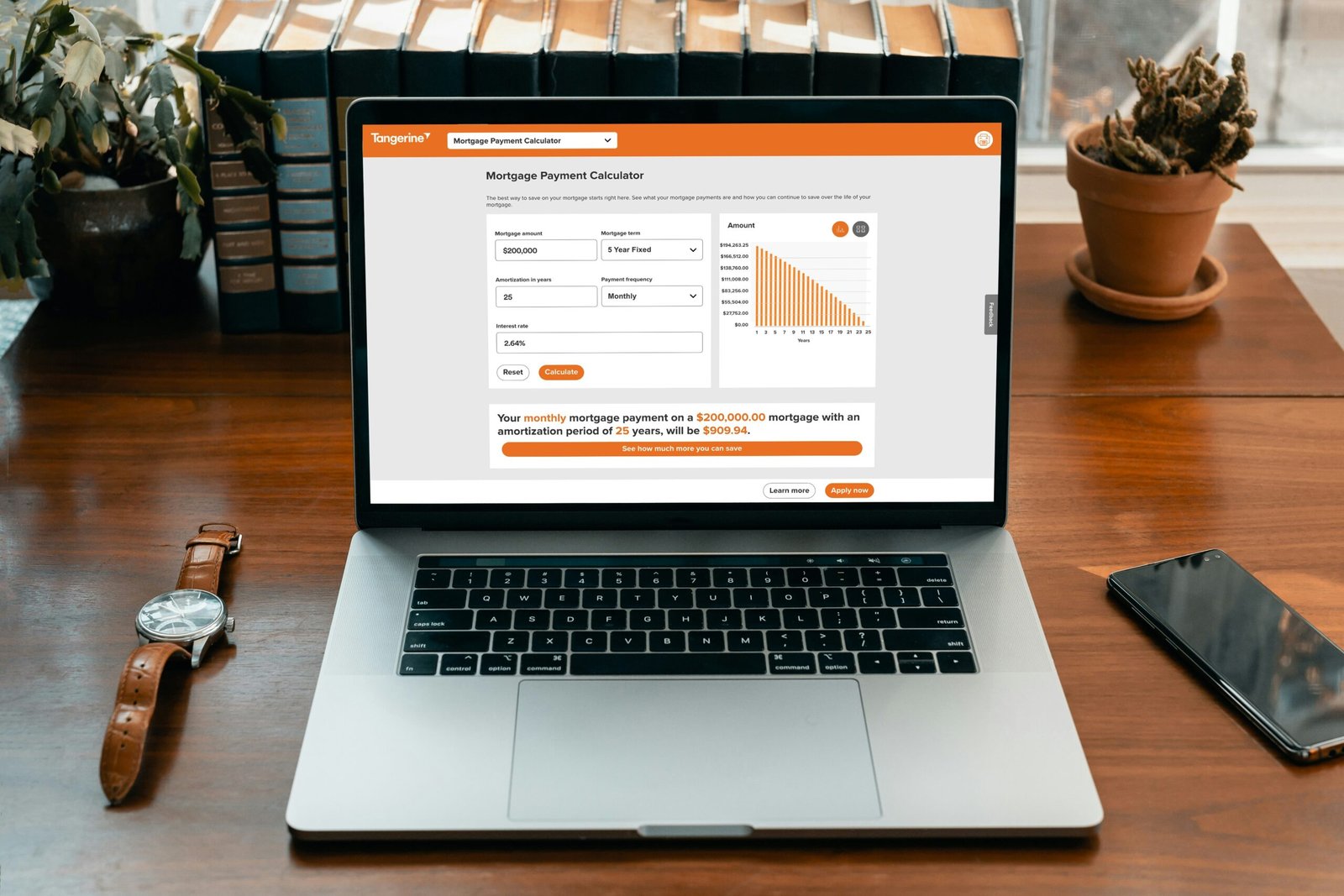
To effectively pay off debt, it is essential to develop a comprehensive understanding of your financial obligations. This begins with assessing the total amounts owed across all debts, including credit cards, personal loans, and mortgages. By compiling a complete list of your debts, you can gain insight into the scope of your financial commitment, which is the first step towards strategizing for repayment.
In addition to the total amounts, it is equally important to take note of the interest rates associated with each debt. High-interest debts, such as credit cards, can significantly exacerbate your repayment timeline if not managed correctly. By identifying which debts carry the highest interest rates, you can prioritize payments accordingly. For instance, focusing on paying off debts with the highest interest first may save you a considerable sum in accrued interest over time.
Understanding the payment terms of each obligation is another crucial aspect. Each debt may come with different minimum payments, due dates, and potential penalties for late payments. Familiarizing yourself with these terms can help you avoid unnecessary fees and can also guide you in setting up a manageable repayment schedule that aligns with your financial capabilities.
Categorizing your debts can provide further clarity. You might separate them into groups such as secured vs. unsecured debts or variable vs. fixed-rate debts. Such categorizations will help in formulating a tailored repayment strategy. Furthermore, taking advantage of tools and resources designed for tracking debts can enhance your ability to monitor progress. Budgeting apps and financial planners offer features specifically designed for this purpose, allowing you to visualize your repayment journey.
Creating a Realistic Budget to Optimize Payments
Establishing a comprehensive budget is a foundational step toward accelerating debt repayment. A well-structured budget allows individuals to visualize their financial situation, encompassing all sources of income and expenditures. To initiate this process, one should start by gathering financial statements, including pay stubs, bank statements, and any recurring bills, ensuring that every financial commitment is captured accurately.
Begin by categorizing essential expenditures such as housing, utilities, transportation, and groceries. Following this, it is crucial to identify discretionary spending, which encompasses non-essential items such as dining out, entertainment, and subscription services. By scrutinizing these non-essential categories, individuals can pinpoint areas where spending can be reduced or even eliminated entirely. For instance, consider limiting the frequency of dining out or opting for free entertainment options.
Utilizing budgeting tools can greatly enhance the budgeting process. There are numerous applications available that automate expense tracking and allow users to set spending limits for various categories. Popular budgeting tools like Mint or You Need a Budget (YNAB) can keep track of transactions and help users stay accountable to their financial goals. When utilizing these tools, regularly reviewing and adjusting the budget is vital to accommodate any changes in income or unexpected expenses.
Moreover, establishing a debt repayment strategy within the budget is essential. Consider allocating any surplus funds toward the debt with the highest interest rate first, a method known as the avalanche method. Alternatively, prioritize smaller debts with the snowball method to gain motivation from quick wins. By creating a realistic budget that emphasizes debt repayment, individuals can systematically tackle their financial obligations while fostering healthier spending habits.
The Debt Snowball vs. Debt Avalanche Method
Managing debt effectively is crucial for achieving financial stability, and two popular strategies often come into discussion: the debt snowball and the debt avalanche methods. Both techniques offer unique approaches to paying off debt, and understanding their differences is essential for individuals looking to determine the most effective strategy for their circumstances.
The debt snowball method focuses on paying off debts from the smallest balance to the largest. This strategy emphasizes psychological wins; by eliminating smaller debts quickly, individuals gain a sense of accomplishment that can motivate them to tackle larger debts. Proponents argue that the emotional boost can lead to sustained motivation to continue repaying other debts. The snowball method’s primary appeal lies in its straightforwardness, making it particularly attractive to those who need quick positive reinforcement in their debt repayment journey.
In contrast, the debt avalanche method prioritizes debts with the highest interest rates first. This strategy is mathematically the most cost-effective approach, potentially resulting in paying less interest over time. It encourages individuals to focus on the long-term savings rather than immediate gratification. While the avalanche method may not provide the same psychological boosts as the snowball approach, it can lead to significant monetary savings by reducing the overall interest paid, thus appealing to those who prefer a more analytical approach to their financial situation.
When deciding between these two methods, considerations such as personal financial goals, risk tolerance, and psychological tendencies play crucial roles. Individuals who find satisfaction in quick wins may prefer the debt snowball method, while those who are more numbers-driven may be inclined toward the debt avalanche method. Ultimately, evaluating which strategy aligns best with one’s personality and financial objectives can enhance the likelihood of successful debt repayment.
Cutting Unnecessary Expenses: Where to Save
Managing personal finances effectively is vital for anyone looking to pay off debt. One of the most practical strategies to accelerate debt repayment is by cutting unnecessary expenses. Many individuals are often surprised to discover how much they overspend in areas that can easily be adjusted or eliminated. Common culprits include subscriptions, dining out, and luxury items that may not provide significant value to their lives. Identifying these areas is the first step toward freeing up additional funds for debt repayment.
Subscriptions are frequently overlooked, yet they can accumulate quickly, draining finances each month. Review all monthly subscriptions, such as gym memberships, streaming services, and magazine subscriptions. To cut these costs, consider canceling services that are rarely used or looking for free alternatives. If there are subscriptions that you enjoy, assess whether you can share them with family or friends to reduce the cost.
Dining out is another area where many individuals unknowingly overspend. To save money, try cooking at home more often and plan meals in advance. This not only cuts food costs but also promotes healthier eating habits. Additionally, consider limiting dining out to special occasions or setting a strict monthly budget for such experiences.
Lastly, luxury items, such as clothing and electronics, can often be minimized. Instead of purchasing new items, explore options like thrift stores, second-hand shops, or even clothing swaps with friends. Moreover, implementing budgeting apps can be extremely beneficial in tracking spending, categorizing expenses, and highlighting areas of overspending. Apps like Mint or You Need a Budget (YNAB) can assist you in staying on track and reallocating those expenses towards debt repayment.
By diligently cutting unnecessary expenses, individuals can create a more streamlined budget that allows for increased debt payments. The key is to remain disciplined and committed to making these changes, ultimately propelling one closer to financial freedom.
Utilizing Windfalls and Bonuses Wisely
Unexpected financial gains, such as tax refunds, work bonuses, or cash gifts, can offer an excellent opportunity to make significant progress in paying off debt. When these windfalls occur, many people may feel tempted to use them for immediate gratification—such as shopping splurges or luxury experiences. However, a more prudent approach can lead to a more substantial long-term financial benefit. Prioritizing debt reduction during these windfall moments can drastically accelerate the journey towards financial freedom.
One effective strategy is to create a clear plan for these unexpected funds. Before the funds even arrive, assess your overall debt situation. List all debts, focusing on high-interest ones that could benefit most from early repayment. This method is often termed the “debt avalanche” approach, wherein the focus is on paying more towards high-interest debts only, thus reducing overall interest payments in the long run. For those who prefer a motivational approach, the “debt snowball” method involves paying off smaller debts first to achieve quicker wins.
Another wise strategy is allocating a percentage of the windfall directly toward debt repayment, while preserving a portion for savings or essential expenditures. This balanced approach ensures that you are still building financial security while aggressively tackling debt. Moreover, avoid the temptation to use windfalls for non-essential purchases until your most pressing debts are addressed.
Incorporating additional smart tactics, such as redirecting windfalls towards existing monthly payments, could further optimize your debt repayment strategy. Utilizing surprises like bonuses and tax refunds can act as a stepping stone towards a debt-free life, transforming potential frivolous spending into powerful debt reductions. Ultimately, the careful management of these unexpected incomes will establish a more robust financial foundation, paving the way toward fiscal responsibility and peace of mind.
Negotiating Lower Interest Rates with Creditors
One effective strategy for alleviating the burden of debt is negotiating lower interest rates with creditors. The process begins with a carefully planned approach, ensuring that the borrower is adequately prepared before initiating contact with their creditors. First, it is essential to gather relevant information, including current interest rates, your account history, payment records, and any applicable offers from competing lenders. This data will not only bolster your case but also demonstrate to creditors that you are a responsible borrower.
When contacting creditors, it is advisable to do so during off-peak hours. This may provide a better chance of reaching a decision-maker who has the authority to negotiate. Politeness and professionalism are crucial in these interactions. Start the conversation by expressing appreciation for their services, followed by an explanation of your request. Articulating your commitment to repaying the debt, along with a request to lower your interest rate, can promote a favorable response. Moreover, if you possess information about competitive rates offered by other lenders, do not hesitate to mention it, as it may motivate creditors to match or beat those terms.
Successful negotiations can lead to a significant reduction in interest rates, resulting in lower monthly payments, decreased overall interest paid, and a faster path to debt repayment. This outcome not only eases immediate financial pressure but also contributes to strategic long-term financial planning. It is recommended to follow up in the days after your initial conversation to reinforce your request and express gratitude for any consideration given. Ultimately, effective negotiation can transform your debt repayment strategy, making it more manageable and expeditious.
Finding Additional Income through Side Gigs
In the quest to pay off debt more rapidly, exploring potential side gigs can present valuable opportunities. Side gigs are part-time jobs or freelance opportunities that can be pursued alongside your primary employment without requiring a significant investment of time. The key benefit is that they allow individuals to leverage existing skills or interests to generate supplemental income aimed specifically at debt repayment.
Many individuals possess skills or hobbies that can be monetized with minimal effort. For instance, if you have a talent for writing, consider offering freelance writing services on platforms like Upwork or Fiverr. These platforms cater to a diverse audience, allowing you to find clients seeking your specific expertise. Similarly, if you have graphic design skills, engaging in freelance projects can provide additional earnings that can contribute directly to reducing debt balances.
Beyond utilizing existing skills, you can explore other avenues such as pet sitting, tutoring, or providing handyman services. Websites like TaskRabbit or Rover connect you with individuals seeking assistance, and often the time commitment is flexible, allowing you to fit these tasks into your schedule. Additionally, if you have a vehicle, driving for ride-sharing services like Uber or Lyft can provide an adaptable way to earn extra funds, particularly during peak hours.
It’s also worth considering selling unused items around your home. Platforms such as eBay or Facebook Marketplace allow you to declutter while also generating extra income. This income can be specifically allocated towards debt repayment, accelerating your journey toward financial freedom.
In conclusion, leveraging side gigs can be a rewarding strategy to generate additional income without the need for long-term commitments. By identifying freelance opportunities that align with your skill set, you can find effective ways to make progress in repaying debt faster.
Leveraging Debt Management Programs
Debt management programs (DMPs) are structured repayment plans designed to assist individuals in managing their debts more effectively. Typically offered by credit counseling agencies, these programs aim to facilitate the payoff of unsecured debts, such as credit cards and medical bills, in a streamlined manner. By enrolling in a DMP, a consumer can benefit from consolidated payments, reduced interest rates, and waived fees, which collectively expedite the debt repayment process.
One of the significant advantages of debt management programs is that they simplify the repayment process. Instead of making multiple payments to various creditors each month, individuals can consolidate their debts into a single monthly payment to the credit counseling agency. This approach not only eases financial management but also enhances accountability, as consumers can track their progress more easily against their debt-free goals.
However, while DMPs offer numerous benefits, potential risks must also be considered. Enrolling in a debt management program may have implications on credit scores, particularly during the initial stages. Additionally, not all credit counseling agencies operate transparently or ethically, which highlights the need for thorough research. Individuals should seek reputable programs that are accredited by recognized financial organizations and have a good reputation among existing clients.
To ensure a wise decision, consumers should scrutinize the terms and conditions of any program they consider. This includes understanding the fees involved, the duration of the payment plan, and potential impacts on credit reports. Engaging with a certified credit counselor can provide essential guidance on navigating these decisions and tailoring a DMP to fit personal financial situations effectively.
Staying Motivated and Accountable on Your Debt Repayment Journey
Embarking on the journey to pay off debt can often feel overwhelming, and maintaining motivation is key to ensuring long-term success. One effective strategy for sustaining motivation is to track your progress meticulously. Utilize visual aids, such as charts or debt repayment calculators, to illustrate how much you have paid off over time. By seeing your progress, no matter how small, you can boost your morale and reinforce your commitment to becoming debt-free.
Celebrating small victories along the way can also play a pivotal role in keeping up motivation. Whether it’s paying off a minor debt or reaching a predefined savings milestone, taking time to acknowledge these achievements fosters a positive mindset. You might treat yourself to a modest reward or share your accomplishments with close friends or family who can celebrate with you. This focus on progress can transform daunting tasks into achievable goals.
Maintaining a positive mindset throughout this financial journey cannot be overstated. It can be beneficial to practice gratitude and remind yourself of the reasons behind your efforts to pay off debt. This reflection often serves as a motivator, as it shifts attention to the brighter future you are creating for yourself rather than solely on the burdens of debt. Incorporating daily affirmations or setting aside time for personal reflection can further enhance this positive outlook.
Moreover, the importance of a support system cannot be overlooked when navigating debt repayment. Engaging with friends or joining debt support groups enables you to share experiences, seek advice, and hold each other accountable. Regularly discussing your challenges and successes with others on the same journey can reinforce your commitment and provide necessary encouragement. In conjunction with consistent self-motivation, harnessing support from others can make the repayment process more manageable and successful.